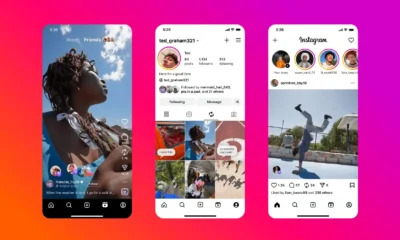


“The Instagram algorithm” isn’t one system; it’s several distinct ranking systems, one for each part of the app, each weighing different signals. Understanding which system applies to which surface changes how you should actually think about growing on the platform.
There’s No Single Algorithm
Instagram ranks Feed, Stories, Explore, and Reels separately, using different signals for each. A post that performs well in Explore doesn’t necessarily perform well in Feed. The two surfaces solve different problems. Feed aims to show you content from accounts you already follow and care about. Explore aims to surface new content you’re likely to enjoy but haven’t seen yet.
What Feed Actually Prioritizes
Feed ranking weighs several signals, with Instagram having stated that the platform gives meaningful weight to how likely you are to genuinely interact with a specific piece of content, based on your past behavior with similar content and similar accounts. Practically, this means:
- Relationship signals: how often you interact with a specific account (likes, comments, DMs, profile visits) carries real weight. This means content from accounts you regularly engage with tends to surface more reliably
- Content signals: how likely a specific post is to be relevant to you based on your past interests and behavior
- Timeliness: recency still matters, though less rigidly than the platform’s original strict chronological feed
- Usage patterns: how often and how long you use the app influences how much content you’re shown per session.
You May Also Like: Best Instagram Captions: 250+ Ideas That Get Real Engagement
What Reels Prioritizes Differently
Reels ranking leans more heavily toward broad discovery than Feed does. This is why Reels can put your content in front of accounts that have never followed you. Key signals for Reels include:
- Watch time and completion rate. Whether viewers watch a Reel through to the end, or rewatch it, sends one of the strongest signals for continued distribution
- Engagement velocity, how quickly a Reel accumulates likes, comments, and shares after posting, affects how widely it gets tested with additional audiences
- Audio and format trends: Reels using trending audio or formats sometimes get additional visibility, though this changes constantly as trends shift
- Shares and sends: a Reel that viewers actively send to others in DMs is treated as a particularly strong positive signal, since it represents a more active form of endorsement than a passive like
What Explore Prioritizes
Explore is built specifically for discovery, surfacing content from accounts you don’t yet follow based on your past interaction patterns with similar content. Instagram combines your engagement history with content similarity to populate Explore. Consistently posting within a clear content niche makes it easier for the algorithm to correctly match your content with likely interested viewers.
What Actually Moves the Needle in 2026
Genuine engagement over vanity metrics. Comments and shares generally carry more ranking weight than likes alone, since they represent a stronger signal of real interest and are harder to generate passively.
Consistency in content niche. Accounts that post within a clear, consistent topic area tend to build stronger Explore performance over time, since the algorithm has more consistent signal to work with when deciding who else might enjoy that content.
Native content over reposted or watermarked content. Content you originally create for Instagram, without a visible watermark from another platform like TikTok, tends to get better distribution than content that looks repurposed as-is from elsewhere.
Posting consistency, not just posting frequency. Regular, predictable posting supports steadier reach over time more reliably than sporadic high-volume bursts followed by long gaps.
What Doesn’t Matter as Much as People Think
Hashtags carry far less ranking weight than they did in Instagram’s earlier years. They can still support discoverability in search, but they’re no longer a major lever for algorithmic reach the way they once were.
Posting at a specific “optimal time” matters less than consistent overall engagement patterns, since Instagram’s ranking systems evaluate content well beyond just the first hour after posting.
Follower count alone doesn’t guarantee reach; engagement rate relative to your audience size matters more for how widely individual pieces of content get distributed.
Frequently Asked Questions
Does Instagram show everything from accounts I follow in chronological order?
No, Instagram ranks the feed based on relevance and relationship signals rather than pure chronology, though it has periodically offered a chronological “Following” feed option for users who prefer it.
Do hashtags still help with Instagram reach?
They provide some support for search-based discoverability but carry far less algorithmic weight for reach than they did in Instagram’s earlier years. Don’t treat them as a primary growth strategy.
What’s the single strongest signal for Reels distribution?
Watch time and completion rate are generally considered among the strongest signals. They indicate viewers found the content genuinely engaging. Viewers stay to watch through the content. They choose this rather than scrolling past quickly.
Does posting more often always improve reach?
Not necessarily; consistent, genuinely engaging content posted on a sustainable, predictable schedule tends to outperform high-frequency posting that sacrifices quality or engagement per post.
You May Also Like: Short Instagram Captions: 180+ Ideas When You’re Feeling Lazy

Contributer